What to Stock for Food Processing Cleaning and Hygiene
A food-processing site usually needs more than cleaning chemicals. A practical order may include detergents and degreasers, a suitable sanitising product where required, hand soap, paper hand towels, cleaning tools, wipes, disposable gloves, chemical personal protective equipment, bin liners and labelled dispensing items.
This guide is for food factories and production sites such as butchers, bakeries, packing facilities, chilled-food manufacturers and other food-processing businesses that need a practical way to organise cleaning and hygiene supplies.
The right list depends on the soil, surface, production area and cleaning method. Start with the jobs your site actually performs, then check the current product directions and Safety Data Sheet (SDS) before ordering.
What Does a Food-Processing Site Need to Keep on Hand?
There is no useful one-size-fits-all shopping list. A bakery handling flour and dough has different cleaning problems from a butcher dealing with fat and protein, and both differ from a chilled prepared-food factory or packing line.
The common starting point is to cover each cleaning job with the right type of product and tool, without filling the storeroom with several products that do the same thing.
Detergents and degreasers
Use routine detergents for everyday soil and heavier degreasers or alkaline cleaners where fat, oil, protein or stubborn production residue requires them. Match the cleaner to the soil and surface rather than automatically choosing the strongest product.
Sanitisers where required
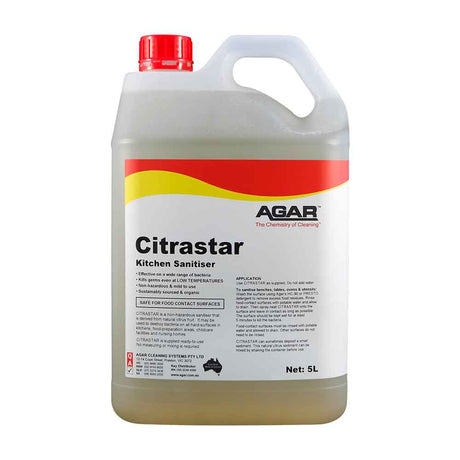
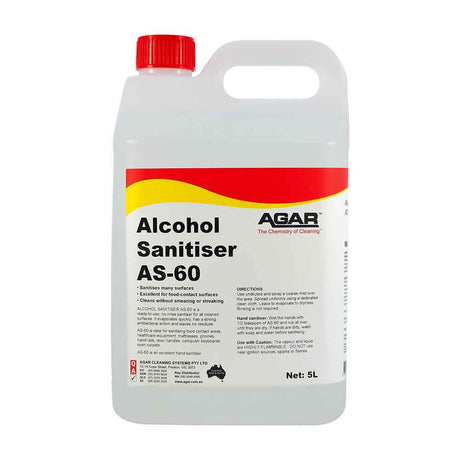
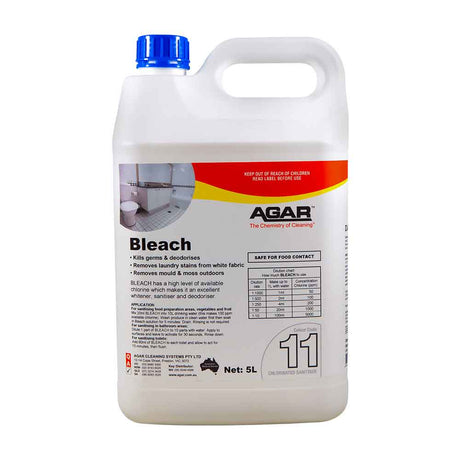
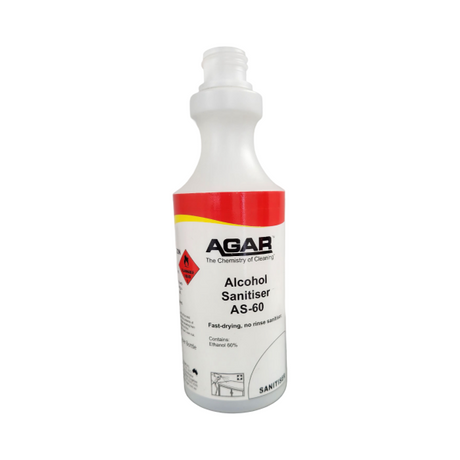
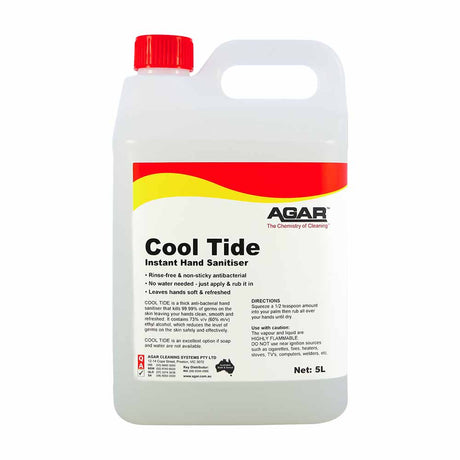
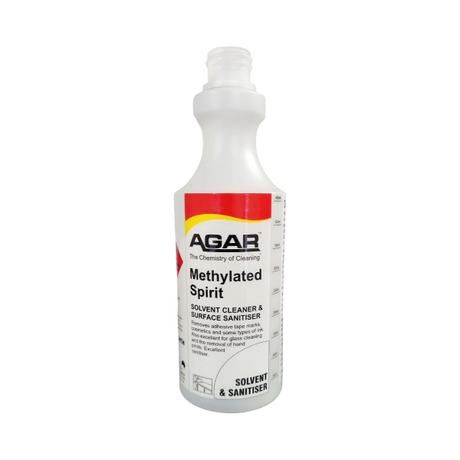
Sanitising is a separate step from cleaning. For food-contact or other surfaces that need sanitising, use a product whose current directions support that exact application. Check dilution, contact time, rinse or no-rinse instructions and surface restrictions.
Specialist cleaning chemicals
Some sites need extra chemistry for jobs such as mineral scale, low-temperature cleaning, ovens, machine warewashing or specialist production equipment. Add these only when the site's equipment and cleaning procedure require them.
Hand hygiene and drying
Handwashing points need suitable soap or cleanser and a way for food handlers to thoroughly dry their hands. Paper hand towels and correctly matched dispensers can therefore be part of the production hygiene order, not only the washroom order.
Cleaning tools
Brushes, mops, buckets, squeegees and cloths should suit the surface and cleaning method. Keep tools separate between areas where the site's hygiene procedure requires separation.
Gloves and personal protective equipment
Disposable gloves used for food handling and protective gloves used for cleaning chemicals are different products for different risks. Check the chemical SDS for required personal protective equipment, or PPE.
Wipes, cloths and paper products
Choose reusable or disposable wiping products to suit the task, contamination risk and site procedure. Keep production-area cloths separate from amenities, waste areas and other incompatible uses.
Bins, liners and dispensing items
Bin liners, waste bins, labelled bottles, pumps and dispensing accessories help keep waste and chemicals under control. Check that bottles and dispensers match the product and that decanted solutions remain correctly identified.
Cleaning and Sanitising Are Different Jobs
Food Standards Australia New Zealand (FSANZ) separates cleaning from sanitising. Cleaning removes dirt, grease and food waste. Sanitising is carried out on a clean surface to reduce microorganisms to the required level.
That means a sanitiser should not be treated as a shortcut around visible soil removal. Grease, flour, protein, dough, sugar or other food residue may need to be removed with suitable cleaning chemistry before the sanitising step begins.
For a deeper comparison of chemical types, see Janitorial Depot's food-processing cleaning chemicals guide. If you need the cleaning sequence itself, use the Food Factory Cleaning Guide.
Which Supplies Fit Different Food-Processing Areas?
| Area or job | Supplies to consider | What to check before ordering |
|---|---|---|
| Food-contact equipment and benches | Suitable detergent, sanitiser where required, compatible cloths or brushes, labelled application equipment | Exact food-contact use, dilution, contact time, finishing rinse or no-rinse direction, and material compatibility |
| Heavy grease, fat or protein soil | Heavy-duty degreaser or alkaline cleaner, suitable brushes or foaming equipment, chemical PPE | Soil load, surface material, aluminium or other sensitive metals, application method and SDS requirements |
| Dry ingredient or powder areas | Dedicated brushes, brooms or suitable vacuum equipment where the site's procedure allows | Whether the process requires dry cleaning before any wet-cleaning step and how allergen or cross-contact controls affect tool separation |
| Chilled rooms and cold production | Cleaner suitable for the operating temperature, sanitiser where required, squeegees and dedicated floor tools | Working temperature, condensation, floor and wall materials, refrigeration equipment and the site's moisture-control procedure |
| Packing and production lines | Surface-compatible cleaner, sanitiser where required, low-lint cloths or brushes, labelled bottles and dedicated tools | Food exposure, conveyor and machine materials, shutdown method, cleaning access and line-release procedure |
| Floors and washdown areas | Floor cleaner, brushes, mops, buckets, squeegees, hoses or other site-approved equipment | Floor material, slip risk, grease load, drains, water use and whether tools need to stay within a defined zone |
| Handwashing points | Hand soap or cleanser, paper hand towels or other suitable single-use drying material, compatible dispensers and waste supplies | Dispenser compatibility, refill format, reliable stock levels and whether the hand basin remains dedicated to handwashing |
| Staff amenities and non-production areas | General cleaners, washroom products, paper products, bins, liners and dedicated tools | Keep amenity and toilet-cleaning equipment separate from food-production tools |
| Waste and refuse areas | Bins, liners, dedicated brushes and floor tools, and suitable cleaning chemicals | Waste volume, pest risk, cleanability, storage location and separation from production equipment |
What Changes Between a Bakery, Butcher and Chilled Food Factory?
The supply categories may look similar, but the actual products and tools can change with the food being made.
Bakery and pie production
Flour and other powders may need controlled dry removal before wet cleaning. Dough, butter, shortening, egg, fillings and baked-on carbon create different cleaning problems again. Allergen changeovers can also affect tool separation and verification.
See the Bakery & Pie Factory Cleaning Guide for the sector-specific cleaning issues.
Butcher and meat processing
Fat, protein, blood and meat residue can require stronger soil-removal chemistry and close attention to machinery, drains and raw or ready-to-eat separation.
See the Meat Processing, Butcher & Smallgoods Cleaning Guide.
Chilled and ready-to-eat production
Cool rooms, chilled lines and post-cook areas add temperature, condensation and raw-to-ready-to-eat changeover considerations. Product choice needs to work at the actual operating conditions.
See the Chilled Ready-to-Eat & Prepared Food Manufacturing Cleaning Guide.
Packing and general manufacturing
Packing lines may need a relatively simple chemical set but still require suitable line-cleaning tools, hand hygiene, waste supplies and clear chemical storage. Start with the product exposure, surfaces and cleaning access around the line.
How Do You Choose Products Without Overfilling the Storeroom?
-
1
Map the areas
List food-contact equipment, production lines, dry areas, chilled areas, floors, handwashing points, amenities and waste areas. This shows where products and tools may need to stay separate.
-
2
Identify the soil
Grease, protein, flour, sugar, carbon, mineral scale and general dust are different cleaning problems. Choose the cleaner for the soil rather than the product name you already know.
-
3
Separate cleaning from sanitising
Decide which jobs are soil removal and which cleaned surfaces also need a sanitising step under the site's food-safety procedure.
-
4
Match the application method
Spray-and-wipe, mopping, foaming, floor scrubbing, pressure washing, machine warewashing and dry cleaning can need different products and equipment.
-
5
Check the product documents
Use the current label or Product Data Sheet (PDS) for what the product is for and how it is used. Use the SDS for hazards, PPE, first aid, storage, spills and emergency information.
-
6
Standardise the repeat order
Once the site has approved its products, tools and dispensers, keep the repeat order consistent. This reduces the chance of staff substituting an unsuitable product when stock runs low.
What Should You Check Before Ordering a Food-Area Sanitiser?
Do not buy on the words "food safe", "food grade" or "hospital grade" alone. Those phrases do not tell you the full use method.
For a food-contact surface, check the current directions for the exact application. The useful questions are:
Is the use actually supported?
Check whether the manufacturer directions permit the product on the food-contact or food-processing surface you intend to treat.
What is the dilution?
Use the concentration specified for the intended sanitising job rather than borrowing a dilution from another product or application.
What contact time applies?
The sanitiser needs the contact time stated in its directions. A quick spray and immediate wipe does not automatically meet the product directions.
Does it need rinsing?
Follow the exact finishing direction. Do not assume that every food-area sanitiser is rinse-free or that every sanitiser must be rinsed.
There is also no universal rule that every food-contact surface sanitiser must have an Australian Register of Therapeutic Goods (ARTG) entry. The Therapeutic Goods Administration (TGA) has an exempt sanitiser category for certain products represented for use on surfaces that may contact food. Other claims can change the regulatory pathway, so check the exact product rather than relying on a single badge or registration assumption.
Hand Hygiene, Gloves and Paper Towels Belong in the Same Order
Food-processing hygiene is not only about chemicals. FSANZ guidance requires suitable handwashing facilities, soap or another hand cleaner, and a way for food handlers to thoroughly dry their hands.
That makes hand soap, paper hand towels or other suitable single-use drying material, dispensers and waste supplies part of the site's hygiene planning.
Disposable gloves can help with particular food-handling tasks, but they do not replace correct handwashing. Chemical handling is a separate issue again. If the SDS requires protective gloves, eye protection or other PPE, choose equipment suitable for that chemical and task.
Should Food Factories Use Colour-Coded Cleaning Tools?
Colour-coded brushes, mops, buckets and cloths can make it easier to keep tools separated between production areas, amenities, waste zones or other site-defined areas.
There is no universal colour allocation that every food factory has to follow. The useful part is the separation system itself. Decide what each colour means at your site, train staff, store the tools in the correct area and replace them when they are damaged or no longer cleanable.
Where Should Cleaning Chemicals and Tools Be Stored?
FSANZ Standard 3.2.3 requires adequate storage for items that could contaminate food, including chemicals. Safe Food Australia guidance also explains that cleaning chemicals and non-food cleaning equipment should be stored so they cannot contaminate food or food-contact surfaces.
In practice, that means chemical storage needs to be part of the buying decision. A new chemical may also need a compatible labelled bottle, dosing equipment, storage space and staff access to the current SDS.
For product safety documents available through Janitorial Depot, use the Safety Data Sheets (SDS) Library. The library helps locate SDS documents; it does not replace the manufacturer's current information or the workplace's own hazardous-chemical procedures.
Which Food-Safety Rules Apply to Manufacturers?
For Australian food businesses, Standard 3.2.2 covers food-safety practices including cleaning, sanitising and maintenance. Standard 3.2.3 covers food premises and equipment, including relevant handwashing and storage requirements.
Standard 3.2.2A is different. FSANZ says it applies to specified food service, catering and retail businesses handling unpackaged potentially hazardous ready-to-eat food. It should not be treated as a blanket rule for every food manufacturer.
Some sectors also have specific primary production and processing standards in Chapter 4 of the Food Standards Code.
In Victoria, local councils regulate most food businesses, including many manufacturers. Safe Food Victoria licenses meat, poultry, seafood and dairy businesses and some operations using new or emerging food technologies. Agriculture Victoria regulates specified horticulture and egg producers. The correct regulator depends on what the business actually produces and does.
Why SDS Access Matters When You Order Cleaning Chemicals
WorkSafe Victoria says employers using or storing hazardous substances or dangerous goods must obtain an up-to-date Safety Data Sheet and make it accessible to employees, contractors and emergency services personnel.
The SDS answers different questions from the product-use directions. Use the SDS for hazards, protective equipment, first aid, storage and spills. Use the label, PDS or current manufacturer directions for dilution, application, contact time, rinsing and surface compatibility.
Before You Set Up a Recurring Food-Factory Order
Confirm the approved products
Check that the detergents, degreasers, sanitisers and specialist chemicals still match the site's surfaces and cleaning procedures.
Check realistic usage
Review how much soap, paper, gloves, wipes, chemicals and liners the site actually uses between deliveries. Build in enough stock to avoid emergency substitutions.
Match dispensers and tools
Confirm paper, soap refills, labelled bottles, pumps, mop handles, buckets and other replacement items fit the equipment already installed.
Check documents and storage
Make sure current product directions and SDS documents are accessible, and that the site has suitable space to store chemicals and cleaning equipment away from food.
Food-Processing Guides and Resources
Janitorial Depot's Food Processing Cleaning & Sanitising Resource Library contains fillable schedules, procedures, verification records, chemical-control registers and other resources for food-processing sites. Use it when you need to turn product choices into a documented cleaning program.
Food Processing Cleaning Supply FAQs
What cleaning supplies should a food factory keep in stock?
The list depends on the products being made and the site's cleaning program. Common categories include detergents and degreasers, sanitisers where required, hand soap, paper hand towels, cleaning tools, wipes, disposable gloves, chemical PPE, bins, liners and labelled chemical-dispensing items.
Is sanitiser enough if a food-contact surface looks dirty?
No. FSANZ separates cleaning from sanitising and states that items need to be cleaned before they are sanitised. Visible food soil, fat, flour or other residue needs to be removed using a suitable cleaning process first.
What should I check before ordering a food-contact sanitiser?
Check that the current manufacturer directions support the exact surface and use. Confirm the required dilution, contact time, rinse or no-rinse step and any material restrictions. Do not rely on a broad phrase such as "food safe" on its own.
Does every food-contact surface sanitiser need an ARTG number?
No. The TGA has an exempt sanitiser category for certain products represented for surfaces that may contact food. Those products can be exempt from ARTG inclusion while still being subject to regulatory requirements. Other claims can change the regulatory pathway, so check the exact product.
Do disposable gloves replace handwashing in food production?
No. Gloves can become contaminated and do not replace correct handwashing. Handwashing facilities still need suitable cleanser and a way for food handlers to thoroughly dry their hands. Chemical protective gloves are a separate PPE decision controlled by the chemical hazard and SDS.
Do food factories have to use a particular colour-code system for cleaning tools?
No universal colour allocation applies to every site. Colour coding can help keep tools separated, but the business needs to define what each colour means, train staff and store the tools correctly.
Where should cleaning chemicals be stored?
FSANZ Standard 3.2.3 requires adequate storage for items that could contaminate food, including chemicals. Store cleaning chemicals and non-food cleaning equipment so they cannot contaminate food or food-contact surfaces, and follow the product SDS and workplace storage requirements.
Does Standard 3.2.2A apply to every food manufacturer?
No. FSANZ says Standard 3.2.2A applies to specified food service, catering and retail businesses handling unpackaged potentially hazardous ready-to-eat food. Manufacturers still need to identify the standards that apply to their own activities, including relevant Chapter 3 and sector-specific Chapter 4 requirements.
Who regulates food manufacturers in Victoria?
Local councils regulate most Victorian food businesses, including many manufacturers. Safe Food Victoria licenses meat, poultry, seafood and dairy businesses and some businesses using new or emerging food technologies. Agriculture Victoria regulates specified horticulture and egg producers. Check the actual business activity to confirm the correct regulator.