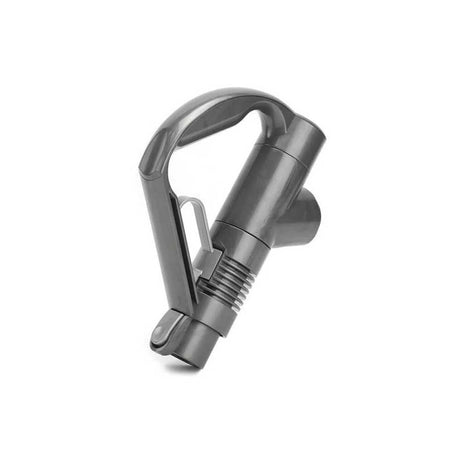
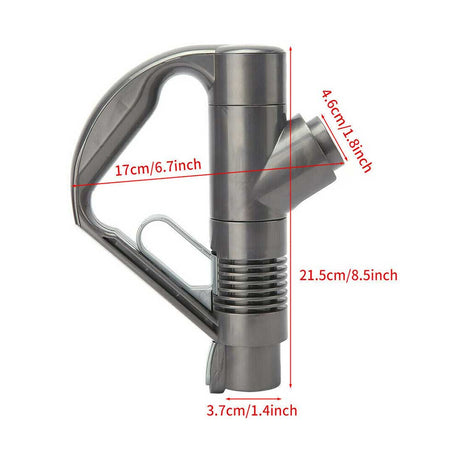
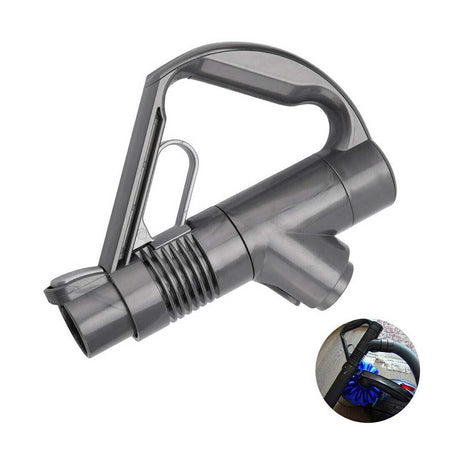
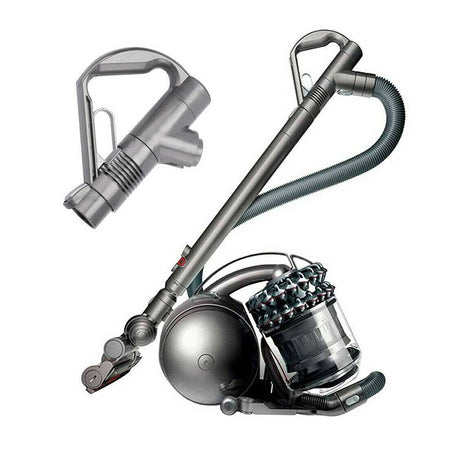
A change in how your Dyson vacuum is working does not automatically mean a part needs replacing. Reduced pickup, pulsing, unusual noise, vibration or a stopped brush bar can also be caused by a blockage, full bin, filter problem, tangled debris or a loose connection.
Start with the normal maintenance and troubleshooting checks for your exact machine. If the problem remains, inspect the affected component and confirm the correct replacement before ordering.
When Should a Dyson Vacuum Part Be Replaced?
Visible wear or damage is usually a clearer reason to replace a component than a change in performance on its own. Checking the likely causes first can help avoid replacing a part that is still usable.
| Component | Check First | Consider Replacement When |
|---|---|---|
| Filter | Follow the cleaning instructions for the exact machine and filter. Check that the filter is fitted correctly and that airflow is not restricted elsewhere. | The filter is damaged, deformed, no longer fits correctly or remains unsuitable for use after the maintenance permitted for that filter. |
| Cleaner head or brush bar | Remove hair, fibres and other obstructions. Check the cleaner-head airway and connection. | The brush bar, housing, connector or another part is physically worn or damaged, or troubleshooting identifies a failed component. |
| Battery | Check charging, operating mode and the troubleshooting guidance for the exact machine. | Runtime or charging remains abnormal after the appropriate checks and the battery has been identified as the likely fault. |
| Bin, hose or wand | Check for blockages, correct assembly, damaged seals and loose or damaged connections. | There is a crack, split, broken latch, damaged seal or connector that prevents the component from working correctly. |
| Tools and attachments | Check the fitting, locking connection and airway, and remove any obstruction. | The tool is physically damaged or no longer connects or operates correctly and a suitable replacement is available. |
How Often Should a Dyson Filter Be Replaced?
There is no useful replacement interval that applies to every Dyson vacuum filter. Cleaning and replacement depend on the machine, the filter type, its condition and the care instructions for that model.
Some filters can be maintained and reused according to the machine instructions, while a damaged, deformed or poorly fitting filter may need replacing. Use the guidance for your exact machine rather than replacing a filter simply because a certain number of months has passed.
If you have identified the filter you need, browse Janitorial Depot's Dyson replacement filters and check the individual product compatibility before ordering.
Find Your Dyson Model Number Before Ordering
Do not choose a replacement part from a model-family name such as V8, V10 or V11 alone. Machines within the same family can use different filters, batteries, bins, cleaner heads and connections.
Record the complete model and the SV, DC or CY number where applicable. Check the rating label on the machine and keep the complete code exactly as shown.
What Else Should You Check?
- Part number or replacement reference, where available
- Connector or locking style
- Physical dimensions
- Battery attachment or electrical connection
- Cleaner-head or brush-bar configuration
- Product-specific inclusions and exclusions
Not sure which part you have? Clear photos of the machine rating label, old component and its connector can make identification much easier.
How to Choose the Correct Dyson Replacement Part
The compatibility information on the individual product should control the decision. The replacement should list the relevant machine or model version where that distinction matters.
Once the model is confirmed, compare the connector, dimensions, part reference and any exclusions shown for the product.
Do not assume a replacement will fit because it looks similar to the old part. A shared shape, voltage, diameter or connection does not by itself confirm compatibility.
Choosing Cleaner Heads, Brush Bars and Attachments
Cleaner heads and powered accessories can differ by model family, electrical connection and cleaner-head design. A replacement brush bar also needs to match the cleaner-head housing it is designed for.
Browse Dyson heads and tools and check the individual product information against your vacuum before ordering.
Using Dyson Tool Adapters
An adapter should only be used where its product information confirms the machine, tool and connection it is intended for. An adapter does not automatically make components from different Dyson systems interchangeable.
Genuine Dyson Parts or Compatible Aftermarket Parts?
Genuine Dyson parts are supplied for Dyson machines and give you the manufacturer-origin option for the model they are made for. For some components, particularly batteries, powered cleaner heads, electrical parts and specialised filtration, choosing genuine can provide greater certainty around the original specification and construction.
That does not mean a genuine part is automatically the only good choice. A well-made compatible aftermarket part can be an excellent replacement when it is produced to a high standard and matched correctly to the vacuum. Modern manufacturing means some compatible parts can come very close to the genuine component in fit, construction and everyday function, often at a lower cost.
The main difference is consistency. Genuine parts come from one manufacturer and specification. Aftermarket quality varies between suppliers, so the individual product matters more than the word "compatible". A high-quality compatible hose, wand, brush bar, filter, bin or floor tool can be a practical choice when the fitment and product details are correct.
Janitorial Depot supplies high-quality compatible Dyson replacement parts across the range. Each product should be chosen by the exact Dyson model, SV, DC or CY number where applicable, along with the fitting, connector, dimensions and part reference shown on the listing.
For customers comparing genuine and compatible parts, the best choice depends on the component, the availability of the genuine part, the price difference and how closely the replacement matches the requirements of the machine.
When a Vacuum Repair Assessment May Be Better
If normal bin, filter, blockage and brush-bar checks do not resolve the problem, replacing parts by trial and error may not identify the actual fault.
Assessment may be more appropriate when the vacuum repeatedly cuts out or pulses after normal checks, has visible electrical or connector damage, produces an unusual electrical smell, or appears to have an internal fault rather than a problem with a normal removable component.
Janitorial Depot provides vacuum service and repairs where fault diagnosis is more appropriate than guessing which part to replace.
Find the Right Dyson Vacuum Part
Start with the complete model information, including the SV, DC or CY number where applicable. Then browse Dyson vacuum parts, filters and accessories, or go directly to the filter, cleaner-head or tool range if you already know which component you need.
If the fitment is unclear, confirm the exact machine and product compatibility before ordering rather than relying on appearance or the model-family name alone.