If you are building a childcare cleaning checklist or reviewing your centre's cleaning schedule, the most useful starting point is to separate routine cleaning from disinfection and match the frequency to the area. Current NHMRC guidance recommends routine environmental cleaning every day and whenever surfaces are visibly dirty, with more specific frequencies for bathrooms, toys, nappy change areas, floors, carpets and other surfaces.
This guide is written for Victorian NQF early childhood services, with long day care, standalone kindergarten and preschool, and early learning centres as the main audience. Family day care is noted where the requirements differ. VECRA states that around 95% of Victorian early childhood services operate under the National Quality Framework.
How often should a childcare centre clean?
NHMRC's sixth edition of Staying Healthy is the current best-practice resource for infection prevention in education and care services. Its cleaning guidance is more detailed than the NQS itself and is the practical basis for the frequencies below.
Bathrooms, toilets and tap handles
Clean daily and when visibly dirty. Check bathrooms during the day and clean again when needed.
Frequently touched surfaces
Clean at least daily and again if visibly dirty or contaminated. Examples include benchtops, taps, cots and tables.
Toys and mouthed objects
Clean daily and whenever visibly dirty or contaminated. Remove contaminated items from use until they have been cleaned.
Nappy change surface
Clean after every nappy change and again at the end of the day. If body fluids contaminate the surface, disinfect after cleaning.
Floors
Clean weekly and when visibly dirty. Wet areas have separate daily cleaning guidance, so the floor frequency should be considered together with the room and contamination risk.
Carpets and mats
Vacuum daily, spot-clean when visibly dirty and steam clean at least every six months.
Wet areas
Kitchens, food preparation areas, toilets and nappy change areas should be cleaned at least daily and again if visibly dirty or contaminated.
Body fluid spills
Act immediately. Remove the spill, clean the surface and then disinfect using an appropriate product and procedure.
The frequencies above are NHMRC best-practice recommendations. They should not be described as if they are the wording of Regulation 77 or Regulation 103.
Cleaning and disinfecting are different jobs
For routine hard surfaces, NHMRC recommends detergent and water, followed by rinsing and drying. The cleaning step physically removes soil and reduces germs on the surface.
Disinfection is an additional step where it is needed, such as after contamination with blood, vomit, urine, faeces or other body fluids. During an infectious disease outbreak, a service may need more intensive cleaning and should follow current advice from its local public health unit.
This distinction matters when choosing products. A disinfectant is not automatically the right product for every daily cleaning task, and a general-purpose cleaner should not be treated as a disinfectant unless the product is labelled for that purpose.
Nappy change areas need a specific routine
NHMRC recommends washing the nappy change surface with detergent and warm water after each nappy change and again at the end of the day. The surface should then be rinsed and dried. If body fluids contaminate the change surface, disinfect after the detergent-cleaning step.
This practical cleaning procedure is separate from the legal facility requirements in Regulation 112, which are covered later in this guide.
Cleaning still has to happen during the day
A contracted cleaner can handle planned cleaning before or after operating hours, but some tasks cannot wait. Bathrooms can become visibly dirty, children mouth toys, spills happen and nappy change surfaces need attention while the service is operating.
NHMRC recommends keeping suitable cleaning equipment and products readily accessible even when an external provider normally cleans the service. Equipment should be stored safely, kept clean and allowed to dry between uses. NHMRC also suggests considering colour coding for cloths and sponges to help keep different cleaning areas separate.
What should a childcare cleaning schedule contain?
A useful schedule should tell staff and cleaners what is being cleaned, the frequency or trigger, the method, who is responsible and how completion is recorded. It should also separate planned tasks from cleaning that must happen immediately because something has become dirty or contaminated.
- Area or item: for example bathroom, toy, nappy change surface, food preparation bench or floor.
- Frequency or trigger: daily, weekly, after each use, when visibly dirty or after contamination.
- Method: detergent cleaning, laundering, vacuuming, steam cleaning, sanitising or cleaning followed by disinfection where appropriate.
- Responsibility: educator, room staff, cleaning contractor or another clearly nominated role.
- Record: initials, sign-off or another record used by the service.
ACECQA's guidance for NQS Element 3.1.2 says assessors may discuss schedules for cleaning toys and equipment and may sight documented procedures and schedules for cleaning buildings, premises, furniture and equipment.
Free A4 Childcare Cleaning Schedule
Janitorial Depot has prepared a one-page planning template based on the current guidance reviewed for this article. Adapt it to your rooms, staffing, cleaning contractor arrangements and service procedures.
Choosing products for common childcare cleaning tasks
The NQS does not provide a universal shopping list of cleaning chemicals. Product choice should follow the task, surface, current product directions and the service's own procedures. The examples below are products Janitorial Depot currently stocks for common commercial cleaning tasks. They are not presented as products that establish or guarantee NQF or NQS compliance.
Routine washable hard surfaces
Agar Citra-Mist 5L is a spray-and-wipe cleaner for washable hard surfaces including benches, tabletops, doors, walls, laminate, painted surfaces and vinyl, as described in Agar's current product information.
Use it as a cleaner, not as the disinfecting step.
Hard floors and sensitive surfaces
Agar pH-7 Neutral Detergent 5L is a neutral detergent for hard floors and other hard surfaces, including alkali-sensitive surfaces such as terrazzo, marble and ceramic tile, according to Agar's current product information.
Follow the current label and manufacturer directions for the surface and cleaning task.
Disinfection when required
Whiteley V-Wipes are ready-to-use disinfecting wipes for compatible environmental hard surfaces. TGA ARTG 354053 lists the product as a Class IIb medical device cleaning and disinfecting wipe, and Whiteley states that it can be used on environmental surfaces and non-critical medical devices.
Use the current product directions where a disinfection step is required. Do not treat routine disinfection as a substitute for the NHMRC cleaning procedure after every nappy change.
Food preparation sanitising
Agar RF-12 5L is a sanitiser concentrate for cleaned surfaces in kitchens and food processing areas, including benches, chopping boards, utensils, equipment and floors, as specified in Agar's current product information.
Cleaning comes first. Follow the current Agar PDS and product label for the sanitising step.
Bathrooms and washrooms
Agar Shower Star 5L is a washroom cleaner for compatible showers, baths, basins, taps, toilets, urinals and porcelain tiles. Agar says not to use it on marble, and its current product data advises against use on terrazzo shower bases.
Always check the current label, PDS, SDS and manufacturer directions for the exact product, task and surface. Product descriptions for this article were checked against current Agar, Whiteley and TGA information on 1 September 2026.
Already have paper towel dispensers in your centre?
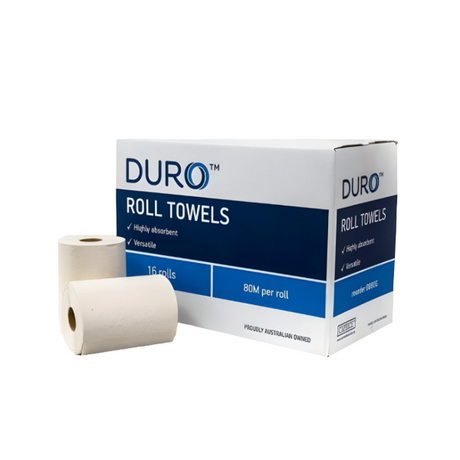
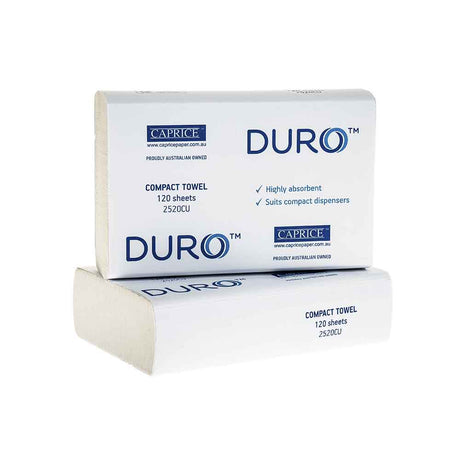
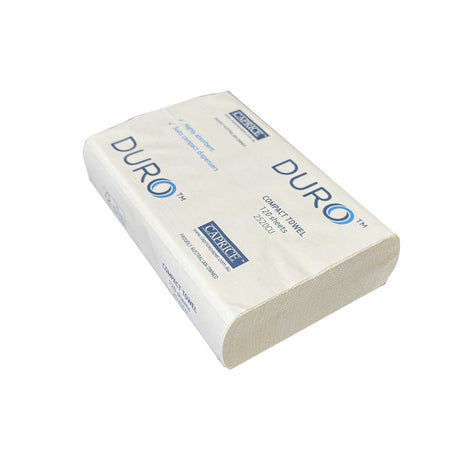
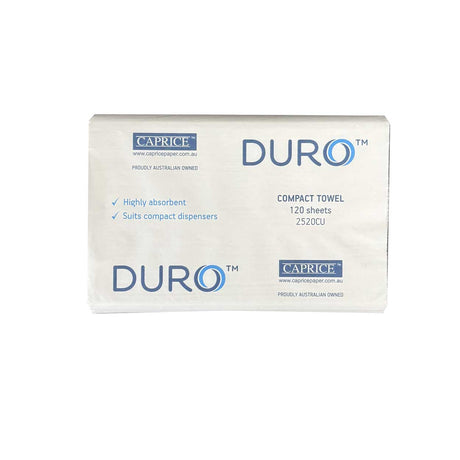
If your centre already uses Tork or Kimberly-Clark hand-towel dispensers, you may be able to change paper without replacing the dispenser. Use the separate Paper Hand Towel Dispenser Compatibility Guide to check the listed dispenser models and Caprice or Pure paper options.
What the Victorian requirements actually say
The legal and NQS framework sits underneath the practical cleaning program. The National Regulations create legal duties. The NQS describes the quality outcomes used in assessment and rating. NHMRC then provides detailed best-practice infection prevention guidance, including the practical cleaning frequencies used earlier in this article.
Regulation 77: health, hygiene and safe food practices
Regulation 77 requires the approved provider to ensure that nominated supervisors, staff members and volunteers implement adequate health and hygiene practices, together with safe food handling, preparation and storage practices, to minimise risks to children. It also places relevant duties on nominated supervisors and family day care educators. ACECQA links Regulation 77 to NQS Element 2.1.2, Health practices and procedures.
Regulation 103: premises, furniture and equipment
Regulation 103 requires the education and care service premises, equipment and furniture used to provide the service to be safe, clean and in good repair. ACECQA links this regulation to NQS Element 3.1.2, Upkeep.
Regulation 112: nappy change facilities
Regulation 112 applies to centre-based services that educate and care for children who wear nappies. It requires adequate and appropriate hygienic nappy-changing facilities. If any children are under three, at least one properly constructed nappy-changing bench is required, with adult hand-cleansing facilities in the immediate vicinity. The facilities must also prevent unsupervised access by children.
The detailed NHMRC frequency guidance should not be described as if it appears word for word in Regulations 77 or 103. The Regulations and NQS set the legal and quality framework. NHMRC's Staying Healthy is a best-practice resource used to help services put effective infection-prevention procedures into practice.
Which Victorian services does this guide cover?
The Victorian Early Childhood Regulatory Authority, VECRA, regulates approved early childhood services operating in Victoria under both the National Quality Framework and the separate Victorian Children's Services Act framework. VECRA says around 95% of Victorian early childhood services are regulated under the NQF.
This article focuses on the NQF group, particularly long day care, standalone kindergarten and preschool, and early learning centres. Family day care is included where relevant. Occasional care and limited-hours services can sit under Victoria's separate Children's Services Act framework, so they should not automatically be treated as if every NQF provision applies in the same way.
As a practical Victorian example, Early Learning Victoria's current hygiene and cleaning policy uses cleaning arrangements, service plans and room checklists to organise responsibilities across its own centres. That is Early Learning Victoria's organisational policy, not a universal checklist that every Victorian service must copy.
Need cleaning and washroom supplies for your centre?
Janitorial Depot supplies cleaning, hygiene and washroom products for childcare centres, kindergartens, preschools and early learning services. For regular purchasing, approved Business Account customers can access dedicated business pricing, purchase-order support and help with bulk, recurring or multi-site supply.
Childcare cleaning requirements FAQs
Is there one mandatory ACECQA childcare cleaning checklist?
Does every surface need to be disinfected every day?
How often should a nappy change surface be cleaned?
What if a cleaning contractor comes after hours?
Does this guide apply to family day care?
Official sources and product information
Victorian and national early childhood sources
- NHMRC, Staying Healthy: Preventing infectious diseases in early childhood education and care services, 6th edition
- NHMRC, A Healthy Environment
- ACECQA, Element 2.1.2: Health practices and procedures
- ACECQA, Element 3.1.2: Upkeep
- ACECQA, Quality Area 3 including nappy change facilities
- VECRA, Which early childhood services are regulated
- Victorian legislation, Education and Care Services National Law Act 2010
- Education and Care Services National Regulations, current consolidated text
- Early Learning Victoria, Hygiene and cleaning policy
Product information checked for the examples above
This article provides general information based on sources reviewed on 1 September 2026. It is not legal advice and does not replace current legislation, regulator directions, public health advice, a service's own policies or the current instructions for a specific product. Requirements can differ according to service type, activity and circumstances.