Reviewed: 5 September 2026
Victorian government schools need to manage two related but different things: the cleaning service and the products the school supplies for everyday use.
For most metropolitan government schools, the Department of Education appoints the cleaning service provider. The cleaning company supplies the equipment, materials and cleaning consumables needed to perform its service. The school supplies personal consumables such as toilet paper, shared soap, hand towels and hand sanitiser. Bin liners are supplied by the cleaning provider.
That distinction matters because the company cleaning the school is not automatically the required supplier of the paper, soap and other personal consumables the school purchases.
Once the responsibility is clear, the school can assess its consumables as a separate purchasing decision, subject to the Department's procurement requirements.
This guide explains the boundary between cleaning-contractor responsibilities and school-supplied consumables, how to manage cleaning performance, and how to avoid unnecessary costs when reviewing paper and washroom supply.
How metropolitan school cleaning works
For most metropolitan Victorian government schools, cleaning providers are appointed by the Department across 10 cleaning areas.
The current cleaning model is performance-based. The contractor is expected to achieve the required standard of cleanliness at the required frequency. The Department also expects providers to clean more frequently than the stated minimum when that is necessary to maintain the required standard.
That means contractor performance should be assessed primarily by the cleaning result and agreed scope, not simply by counting labour hours.
The Department's Cleaning Standards and Frequency Guide sets the standards and minimum frequencies. At school level, the Cleaning Services Plan records how those requirements apply to the individual campus.
Use the Cleaning Services Plan to manage the contractor
The Cleaning Services Plan is more than a document to complete at the beginning of the year.
The cleaning provider supplies the draft, and the school representative reviews it before the plan is finalised. It can cover regular cleaning tasks, access and security, periodic cleaning, additional cleaning, staff rosters, induction, compliance and school-specific requirements.
The plan, together with the Cleaning Standards and Frequency Guide, gives the school a practical reference when something is not being cleaned properly.
A useful question is:
Is this work in scope, and is the required cleaning result being achieved?
That is a much stronger starting point than arguing about how long a cleaner spent in a particular area.
Who supplies what in a metropolitan government school?
The Department's current guidance gives a clear division.
| Product or service | Default responsibility |
|---|---|
| Cleaning equipment and materials used by the contractor | Cleaning service provider |
| Contractor's routine cleaning chemicals | Cleaning service provider |
| Bin liners | Cleaning service provider |
| Toilet paper | School |
| Paper hand towels | School |
| Shared soap | School |
| Hand sanitiser | School |
| Keeping school-supplied dispensers stocked | Cleaning service provider, using stock supplied by the school |
| Additional metropolitan cleaning services | Nominated cleaning service provider |
The Department states that schools must supply personal consumables so the cleaning provider can keep dispensers and point-of-use locations stocked. It also states that payment and supply of those items are not with the service provider by default, although a school can agree for its cleaning provider to purchase them on the school's behalf.
This gives business managers a useful way to diagnose problems.
If there is no toilet paper left in stock, the problem sits with purchasing or stock control.
If toilet paper is available but dispensers are repeatedly left empty, the issue may sit with cleaning-service performance.
Those are different problems and should be managed differently.
Does the school have to buy paper and soap from its cleaning company?
No, not because of the metropolitan cleaning contract.
The Department specifically allows a school to arrange for its cleaning provider to purchase personal consumables on its behalf, but that is not the default arrangement.
The cleaning company may still offer consumables. The question is whether that supply arrangement represents good value for the school.
Where supplier choice is available, the school can compare its existing paper, hand towel, soap and washroom supply against specialist janitorial alternatives.
Victorian government schools must still comply with the Department's Procurement - Schools policy. That policy applies to the procurement of goods and services regardless of value and requires schools to consider value for money, probity, accountability and capability. Schools must also check whether a relevant Department-managed arrangement applies.
The practical sequence is straightforward:
First determine what the school is responsible for. Then follow the applicable procurement process. Where supplier choice is available, compare the supply options properly.
Keep the dispenser and compare the paper first
Paper dispensers can create an unnecessary barrier to changing supply.
A school may have dozens of hand towel or toilet paper dispensers across different buildings. Seeing a particular brand on the dispenser can create the impression that the school must continue buying paper carrying the same brand.
That is not always the case.
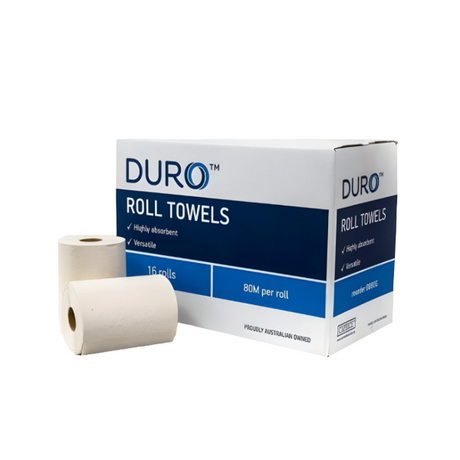
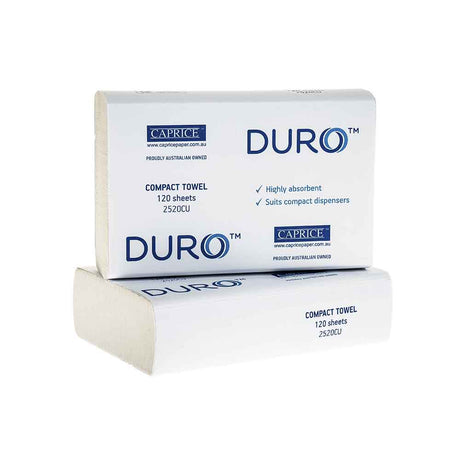
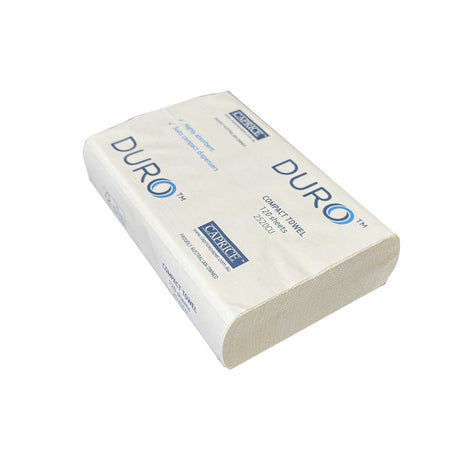
Janitorial Depot has verified alternative Caprice and Pure Washroom paper options for specific existing commercial dispenser models, including selected Tork and Kimberly-Clark folded hand towel dispensers. Compatibility depends on the exact dispenser model and paper format, not simply the logo on the front.
The better process is:
- Identify the dispenser model.
- Confirm the paper format.
- Check whether a compatible Janitorial Depot alternative is available.
- Compare the school's current paper cost with the compatible option.
- Replace the dispenser only when there is a reason to do so.
Check paper towel dispenser compatibility
This can allow a school to retain perfectly serviceable hardware while comparing alternative paper instead of automatically replacing the whole system.
What if the current dispensers belong to the paper supplier?
Some commercial paper-supply arrangements include hand towel or toilet paper dispensers on loan. In those arrangements, the dispenser may remain the property of the supplier and may need to be returned if the paper supply changes.
Before removing anything, check whether the school owns the dispenser or whether it forms part of the existing supply arrangement.
If the current dispenser can remain and accepts a compatible alternative paper, Janitorial Depot can help identify the correct format.
If replacement dispensers are required, Janitorial Depot will supply and fit suitable commercial hand towel or toilet paper dispensers free on loan as part of the paper supply arrangement. We will also maintain the loan dispensers and replace them as required if they are broken or become unserviceable.
The aim is not to replace working equipment unnecessarily. It is to remove the cost of dispenser changeover when the existing hardware cannot reasonably be retained, so the school can assess the ongoing paper supply on its merits.
Compare the paper system, not just the carton price
The cheapest carton is not necessarily the lowest-cost paper system.
For school washrooms, four checks matter.
1. Fit
Confirm the dispenser and refill format first.
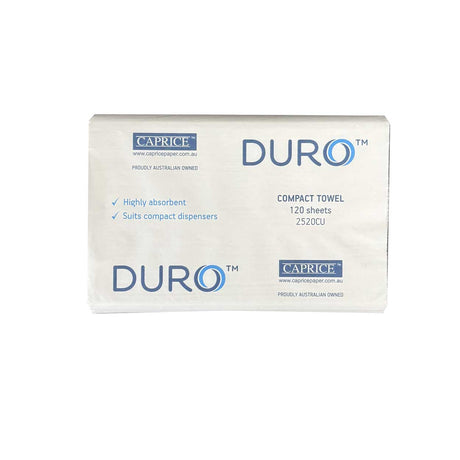
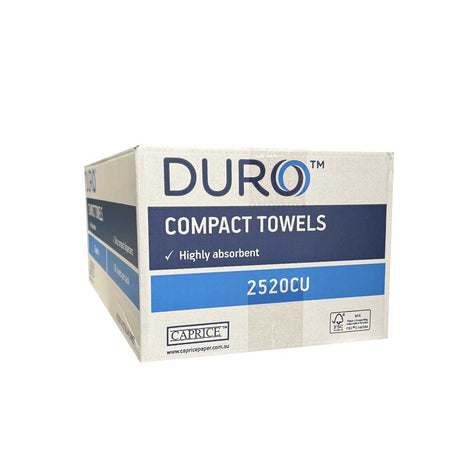
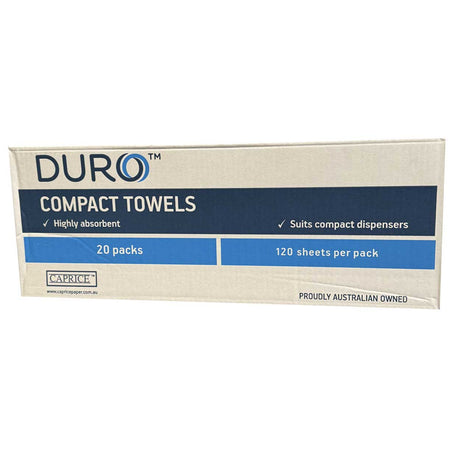
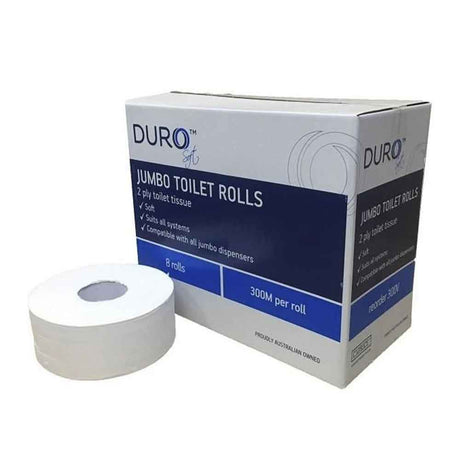
Slimline, ultraslim, compact, jumbo and standard roll formats are not automatically interchangeable. Janitorial Depot's current school range also recommends confirming roll diameter, core size, towel fold, sheet dimensions and dispenser capacity before ordering.
2. Yield
Compare what is actually in the carton.
For paper hand towel this may include total sheets, sheet size and ply. For toilet paper, compare roll count, sheet count or metres as appropriate.
3. Usage
Look at how quickly the site actually consumes the product.
A lower carton price is less useful if the product is being replenished much more frequently.
4. Delivered supply cost
Compare like with like, including carton quantity, product specification and the actual price paid by the school.
Janitorial Depot's compatibility guide also recommends comparing carton price, sheets per carton, ply, sheet size and cost per 1,000 sheets when assessing compatible folded-towel alternatives.
The point is not to create another complicated procurement exercise. It is to avoid paying more simply because a particular refill has always been ordered.
Download the Victorian School Washroom Consumables Stock & Reorder Planner
Standardising washroom supplies can make repeat ordering easier
Schools often accumulate several paper formats over time as buildings are added, refurbished or supplied by different contractors.
That can leave the school storing multiple hand towels or toilet rolls that perform essentially the same job but fit different dispensers.
Where practical, reducing unnecessary variation can make stock control simpler.
The objective is not to replace every dispenser with one system.
Keep working dispensers where a good compatible paper option exists. Change the dispenser where the current arrangement prevents a sensible supply change. Standardise formats where doing so genuinely makes ordering and stock management easier.
If the school already has a current supplier invoice, product list or dispenser photographs, Janitorial Depot can work from that information rather than making the business manager rebuild the requirement from the beginning.
Send your school supply list for a quote or reorder
Or browse the current range of school cleaning and washroom supplies.
Cleaning chemicals are different from school-supplied paper
The contractor's routine cleaning chemicals sit on the other side of the responsibility line.
For metropolitan base cleaning, the cleaning provider must supply the equipment, materials and cleaning consumables required to perform the service. The provider must also give the school relevant chemical information, use the safest practical chemicals capable of achieving the cleaning standards, keep chemicals secured and maintain current SDS information.
School representatives can reasonably request low-allergenic or alternative products where appropriate. The provider remains responsible for ensuring suitable products are used in the areas identified by the school.
This is different from selecting another paper towel.
Changing contractor chemistry can affect SDS records, the school's chemical register, storage and other controls, so chemical management deserves its own process.
For Janitorial Depot-supplied products, use the Safety Data Sheets Library.
How to manage cleaning that is below standard
When cleaning is not meeting expectations, start with the agreed scope.
The Department recommends that the school representative:
- Check the Cleaning Services Plan and Cleaning Standards and Frequency Guide to confirm the issue is in scope.
- Raise the issue with the local cleaning team and document it through the agreed communication method.
- Involve the area supervisor or manager where required.
- Escalate unresolved cleaning issues through AIMS so the Department can follow up the provider.
That sequence keeps contractor-performance issues separate from school stock, maintenance and purchasing issues.
For recurring problems, a short written record is more useful than relying on memory.
Download the Victorian School Cleaning Contractor Review Checklist
Regional schools use a different contracting model
Regional Victorian government schools should not assume that every metropolitan arrangement above applies word for word.
Regional school councils generally enter into their own School Council Agreement with a cleaning service provider, and regional principals manage the provider against that contract.
The practical rule is simple:
Check the school's current cleaning agreement to confirm exactly what the regional cleaning provider supplies and what the school purchases separately.
The Department's Cleaning policy and regional-school guidance remain the controlling sources for those arrangements.
Frequently asked questions
Who supplies toilet paper, hand towels and soap in metropolitan Victorian government schools?
The school supplies toilet paper, shared soap, hand towels and hand sanitiser. The cleaning provider supplies bin liners and uses the school's personal-consumable stock to keep dispensers and point-of-use locations replenished.
Does the school have to buy its paper and soap from the cleaning company?
No, not because of the metropolitan cleaning contract.
The Department says personal consumables are not supplied or paid for by the cleaning provider by default. A school can arrange for the provider to purchase them on its behalf, but that is optional. The school's normal procurement requirements still apply.
What if our paper towel or toilet paper dispensers belong to our current supplier?
Check the existing supply arrangement before removing them.
If the dispensers can remain and accept a compatible Janitorial Depot paper option, we can help identify the correct refill. If replacement dispensers are required, Janitorial Depot will supply and fit suitable dispensers free on loan as part of the paper supply arrangement, maintain them and replace them as required if they are broken or become unserviceable.
Who supplies the cleaning contractor's chemicals?
For metropolitan base cleaning, the cleaning provider supplies its cleaning equipment, materials and cleaning consumables. The provider also has obligations around chemical information, safe storage, current SDS documentation and suitable product use.
What should a metropolitan school do when cleaning standards are not being met?
First confirm that the problem is within the agreed cleaning scope. Raise it with the local cleaning team and document it through the school's agreed communication process. If it remains unresolved, involve the supervisor or manager and escalate the matter through AIMS where required.
Make the school-supplied side of cleaning easier to manage
The useful distinction is straightforward.
The cleaning contractor manages the contracted cleaning service.
The school supplies its personal washroom consumables.
Once those responsibilities are separated, the school can review paper, soap and washroom supply as its own purchasing category rather than assuming it must follow the cleaning contractor's product arrangement.
For paper, start with the dispenser that is already on the wall.
If it works with a suitable compatible alternative, keep it.
If it belongs to the existing supplier and must be replaced, Janitorial Depot can supply and fit the replacement free on loan, then maintain or replace that dispenser when required.
From there, compare the paper itself on fit, yield, usage and delivered cost.
- Check your existing paper towel dispenser
- Browse school cleaning and washroom supplies
- Send an existing school supply list for a quote or reorder
Official references
The Victorian cleaning responsibilities in this article were checked against the current Victorian Department of Education Cleaning policy, guidance and resources, last updated 13 March 2026.
School purchasing references were checked against the current Procurement - Schools policy.
The Department's requirements and school procurement arrangements can change. Schools should use the current Department policy and their own current agreements when making contractual or procurement decisions.